-
by nisha
- June 29, 2026
- 0 Comments
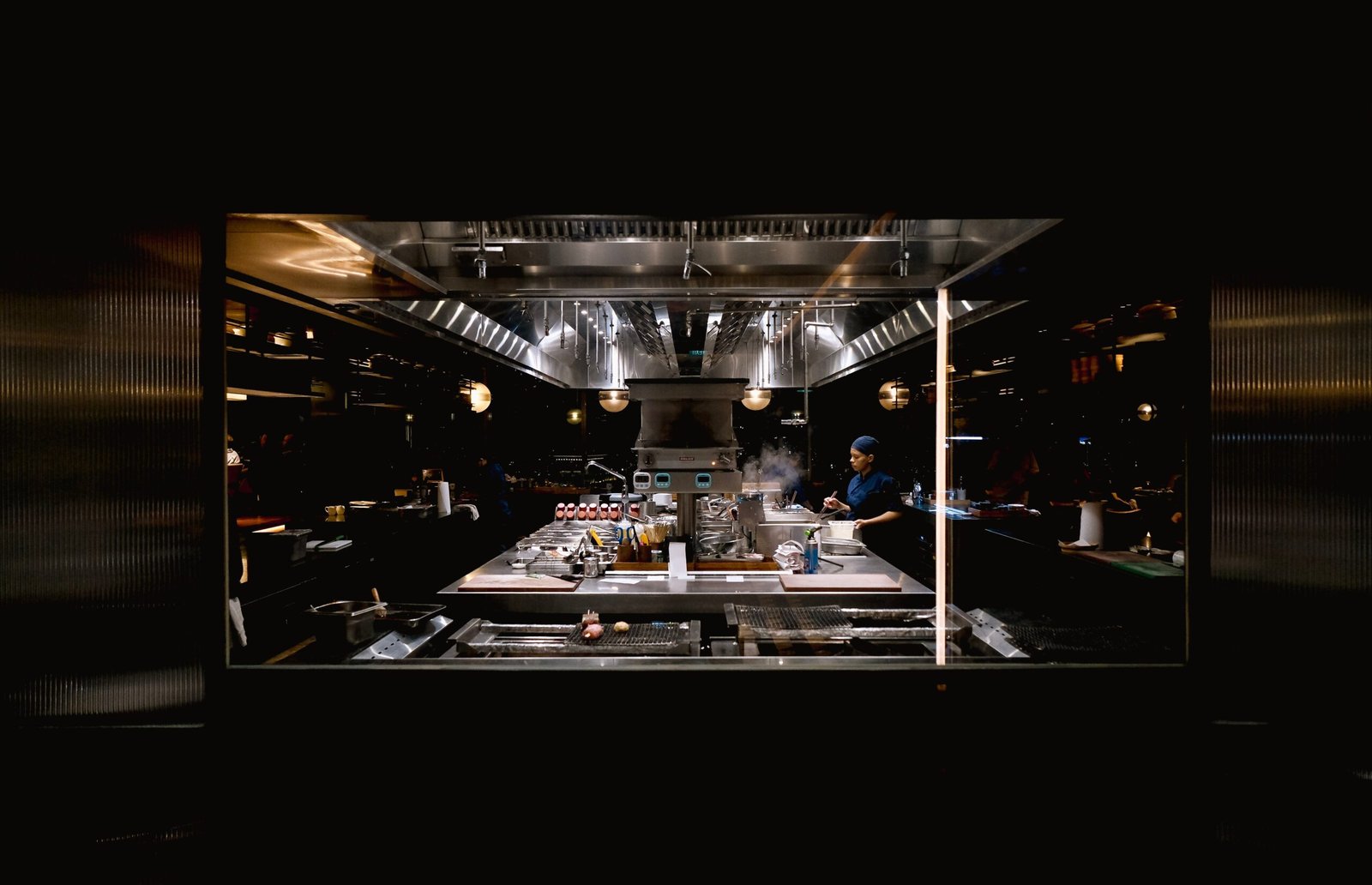
Building a high-volume food service venue requires careful structural foresight long before any cooking hardware arrives. True kitchen hygiene is not merely about daily scrubbing. Instead, it depends on whether engineers designed your infrastructure for easy access.. Therefore, operators must embed strict sanitization logistics directly into their initial kitchen layout engineering planning phase. Partnering with professional contractors like Petra Group guarantees that your back-of-house workflow minimizes dangerous grease trap backups and drainage failures. Furthermore, a precision layout designed by Petra Group ensures that heavy extraction setups include the correct mechanical access points required for long-term safety.
When spatial design ignores post-construction cleaning realities, venues face severe structural degradation over time. Smart pre-construction planning completely eliminates hidden dead zones where grease and black mold thrive.
Read more: Louis Vuitton: The Timeless Symbol of Luxury, Elegance, and Global Prestige
Engineering Fire-Safe Ventilation Lines via Smart Design
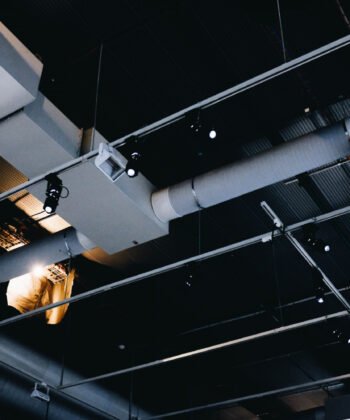
Exhaust hoods constantly trap volatile oil vapors that can ignite inside wall cavities if the ductwork is poorly planned. A smart layout must prioritize accessibility so that maintenance teams can clean the entire extraction track effortlessly.
- Linear Duct Routing: Designers should minimize complex duct bends during the blueprint stage. Straight extraction pathways prevent heavy grease from pooling in unreachable structural junctions.
- Strategic Access Panels: The construction layout must include sealed, heat-resistant access hatches at critical points along the exhaust line. These doors allow technicians to scrape interior walls during routine maintenance cycles.
- Proximity to Wash Zones: Heavy canopy setups must sit within a layout zone that allows workers to slide out thick baffle filters easily for nightly washing.
Material Specifications for High-Performance Kitchen Layout Engineering
The table below outlines how specific material installations determine how fast sanitation teams can eradicate bacteria during deep cleaning schedules.
| Structural Feature | Structural Layout Specification | Long-Term Sanitation Advantage |
| Cooking Line Subfloors | Quarry tiles with impervious epoxy grout seals | Completely blocks hot cooking oils from seeping into building foundations |
| High-Moisture Walls | Full-height stainless steel wall cladding | Allows high-pressure washing without causing internal drywall rot |
| Main Utility Pathways | Precision floor drainage gradients (1:100 fall) | Prevents stagnant water pooling and stops bacterial biofilm setup |
Read more: Goldman Sachs: The Enduring Powerhouse of Global Finance and Strategic Vision
Optimizing Grease Trap Placement to Prevent Plumbing Failure
Liquid fat solidifies rapidly when it travels through cold wastewater pipes, which causes heavy structural blockages and severe foul odors. Resolving this issue requires precise architectural placement of grease interceptors during the initial plumbing layout phase.
A well-engineered design positions these interceptors close to major washing stations but far enough from active cooking lines to avoid cross-contamination. This strategic positioning allows specialized waste contractors to pump out solid organic matter without disrupting active food production lines. Modern layouts also feature advanced drainage configurations that separate food scraps before they reach internal plumbing systems. Applying proper kitchen layout engineering principles keeps main waste lines completely free of obstructions and stops foul organic odors from escaping into guest dining areas.
Waterproofing Wall Substructures with Kitchen Layout Engineering
CContinuous steam and high-pressure washing easily ruin standard domestic building materials over time. If moisture passes through wall joints, toxic black mold spreads undetected behind commercial cooking stations.
Consequently, design teams must enforce the use of moisture-resistant backing boards instead of standard plasterboard in all wet zones. Sealing every single structural joint with industrial-grade silicone prevents high-pressure washdown water from penetrating internal wall cavities. Applying these rigorous engineering precautions preserves the core structural safety of your culinary venue for decades. Prioritizing these invisible pre-construction safeguards ensures that your commercial venue passes strict health inspections while executing top-tier kitchen layout engineering standards.
Read more: BMW: Driving the Future of Mobility with Precision, Power, and Prestige
Frequently Asked Questions (FAQ)
Complex bends cause vaporized grease to cool down and pool in hidden corners, which creates a highly flammable structural fire hazard.
Epoxy grout is completely non-porous, meaning it entirely resists animal fats, moisture, and chemical cleaners without degrading.
No, they must be strategically placed where maintenance crews can access them easily for pumping without crossing clean food preparation zones.