-
by nisha
- September 28, 2026
- 0 Comments
Equipping a commercial kitchen requires reliable cooling hardware to keep food inventory completely safe. True food protection relies on heavy-duty cooling units built to maintain strict holding temperatures. Therefore, kitchen operators must enforce strict commercial refrigeration safety standards during their initial equipment purchasing phase. Sourcing certified cooling appliances from Petra Equipment guarantees precise temperature stability in high-ambient kitchen environments. Furthermore, selecting heavy-duty upright freezers from Petra Equipment stops dangerous food spoliation during long service shifts. Unsealed residential fridges fail to maintain safe internal temperatures when doors open repeatedly. Consequently, poor cooling hardware leads to rapid bacterial growth and costly food waste. Installing commercial cooling systems protects your inventory while preserving your venue reputation.
Read more: Structural Safety Using Zero-Trip Kitchen Threshold Design
Selecting Safety-Engineered Equipment for Commercial Cold Holding
Commercial fridges face intense heat from surrounding cooking equipment throughout the entire day. Without heavy insulation and tight door seals, internal temperatures drift quickly into the dangerous temperature zone. Therefore, buyers must select refrigeration gear equipped with proactive monitoring features.
- Self-Closing Door Hinges: Equipment buyers should select upright fridges featuring spring-loaded hinges that pull doors shut automatically after access.
- Heated Display Glass Frames: Store managers must install display fridges with internal frame heaters to prevent condensation pooling on floor tiles.
- Digital High-Temperature Alarms: Operators need digital controllers that sound audible alerts whenever internal cabinet temperatures rise above four degrees.
Operational Metrics in Commercial Refrigeration Safety
The table below outlines how specific refrigeration hardware features protect your food inventory and maintain health compliance during peak hours.
| Cooling Feature | Technical Specification Standard | Core Risk Prevention |
| Magnetic Door Gaskets | Multi-pocket flexible vinyl seals with tight magnetic strips | Prevents cold air leakage and stops warm kitchen air from spoiling raw meat |
| Tropicalized Condensers | High-capacity cooling coils rated for 43°C ambient room heat | Maintains safe internal holding temperatures near hot cooking lines |
| Automatic Defrost Cycles | Smart electric heating elements that melt evaporator coil ice | Prevents ice buildup from blocking internal airflow and causing temperature drifts |
Read more: Ergonomic Commercial Countertops: Preventing Workplace Burn Hazards
Preventing Food Spoiling Risks with Commercial Refrigeration Safety
Keeping raw ingredients below five degrees Celsius is critical to stopping dangerous bacterial growth. Worn door gaskets allow warm room air into cabinet chambers, forcing compressor motors to run continuously. Resolving this hidden food safety threat requires strict adherence to commercial cooling standards.
To achieve this, kitchen managers must inspect door seals and clean condenser coils regularly. Installing units with digital probe alarms warns staff immediately when door seals fail or power cuts occur. In contrast, unmonitored fridges drift into unsafe temperature ranges without staff noticing the danger. Utilizing well-engineered refrigeration keeps your entire cold chain completely intact. Ultimately, investing in certified commercial fridges prevents costly food poisoning outbreaks from ruining your business.
Maintaining Equipment Integrity for Long-Term Venue Safety
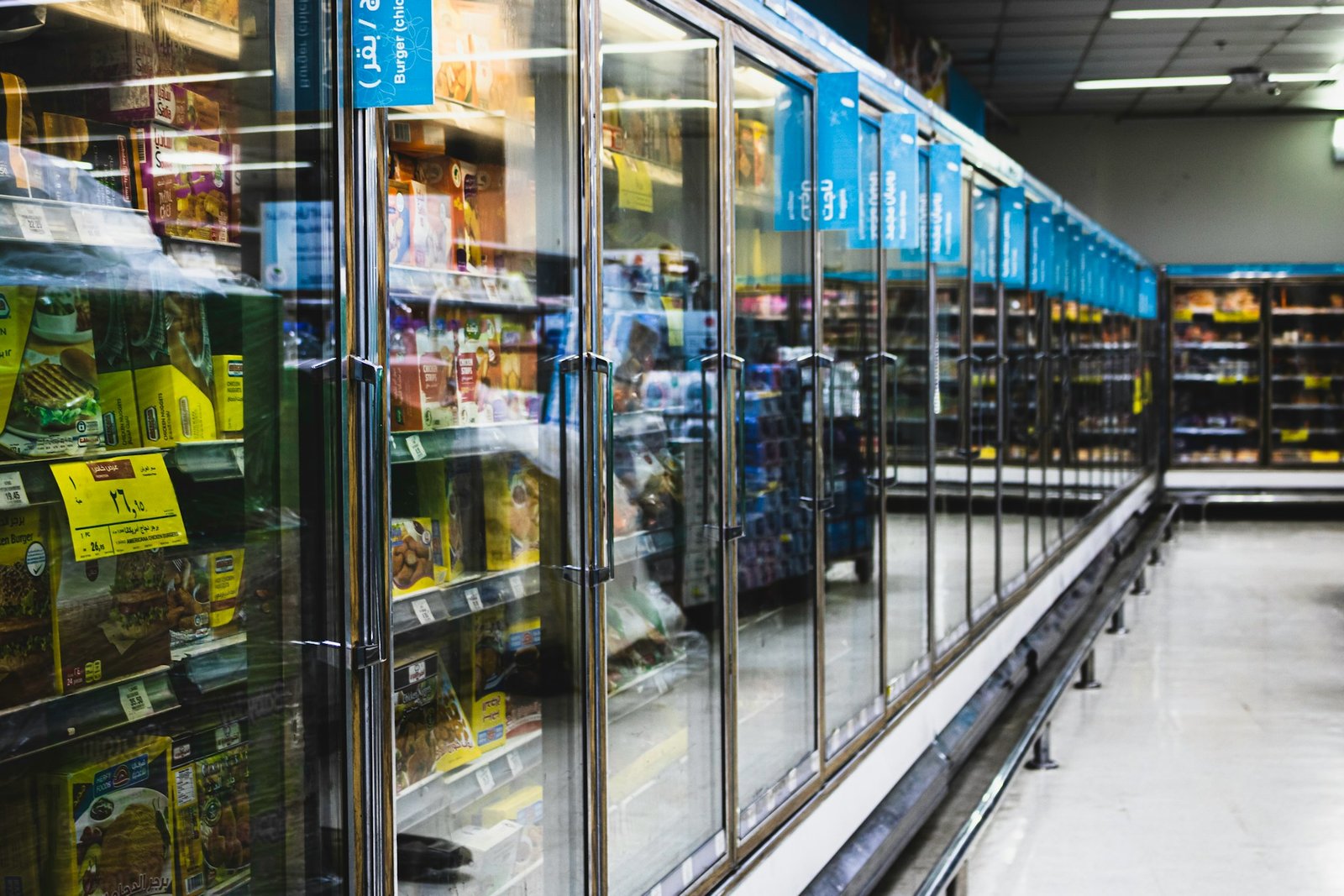
Condensation pooling around display fridges creates major slip hazards on polished dining floors. Unheated glass frames allow moisture to drip directly onto walkways, creating immediate liability risks for staff and guests.
Consequently, procurement teams must enforce commercial refrigeration safety standards that specify heated glass frames and automated evaporator pans. Do not rely on domestic fridges that lack internal drainage heating. Equipping your building with commercial-grade cooling gear keeps floor paths dry and maintains food compliance records. Therefore, applying these equipment precautions preserves the overall safety of your food service operations for years. Prioritizing these smart hardware upgrades ensures that your business upholds top-tier commercial refrigeration safety standards.
Read more: Commercial Kitchen Ventilation Design: Preventing Thermal and Air Hazards
Frequently Asked Questions (FAQ)
Worn gaskets leak cold air out, allowing internal cabinet temperatures to rise into the bacterial growth zone.
Heated frames stop moisture from condensing on the glass surface and dripping onto customer walkways.
Commercial fridges must hold food at or below 5°C to comply with commercial food safety regulations.