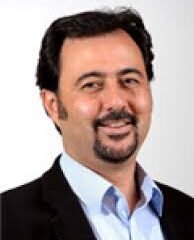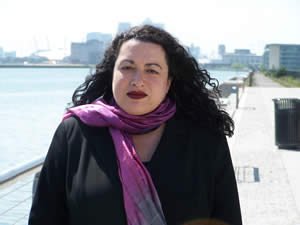
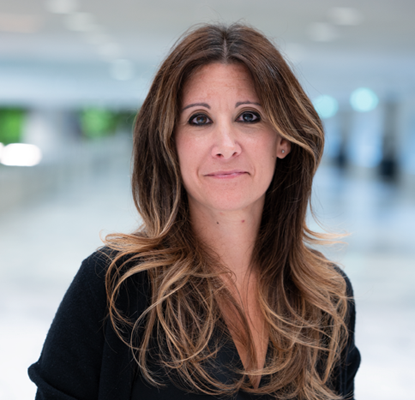

Maria Van Kerkhove Closed Now
Description
Early Life and Academic Background
Maria Van Kerkhove was born in the United States and pursued a career dedicated to epidemiology and infectious disease research. She earned her Bachelor of Science degree in biological sciences from Cornell University and later completed her Master’s degree in epidemiology from Stanford University. Driven by her passion for global health, she obtained a PhD in infectious disease epidemiology at the London School of Hygiene and Tropical Medicine (LSHTM).
Her early research focused on the epidemiology of emerging infectious diseases, particularly influenza viruses, which prepared her for later global health leadership roles.
Research and Early Career in Epidemiology
Before joining the World Health Organization (WHO), Van Kerkhove worked extensively in academic and field research. At Imperial College London, she served as a Senior Research Fellow in the Medical Research Council Centre for Outbreak Analysis and Modelling.
Her research explored the transmission dynamics of influenza viruses, coronaviruses, and other emerging pathogens. She published influential studies on the severity of influenza pandemics and contributed to international collaborations on outbreak preparedness and epidemiological modeling.
Role at the World Health Organization
Maria Van Kerkhove became globally known when she joined WHO as the Technical Lead for COVID-19 response and the Head of the Emerging Diseases and Zoonoses Unit.
In this capacity, she coordinated global efforts to understand the epidemiology of SARS-CoV-2, including:
-
How the virus spreads between people.
-
Key risk factors for transmission.
-
The effectiveness of control measures such as masks, lockdowns, and vaccines.
Van Kerkhove also served as a spokesperson for WHO during the pandemic, regularly appearing in global press briefings to provide scientific updates and clear communication to the public.
Epidemiological Contributions During COVID-19
Her leadership was essential in shaping global understanding of the pandemic. Key contributions include:
-
Transmission Dynamics: Explaining airborne and asymptomatic transmission.
-
Data Transparency: Advocating for real-time epidemiological data sharing between countries.
-
Guidelines Development: Helping WHO draft global health guidelines on testing, prevention, and vaccination.
-
Public Communication: Providing consistent, evidence-based information to counter misinformation.
Broader Global Health Work
Beyond COVID-19, Van Kerkhove has been involved in research on MERS (Middle East Respiratory Syndrome), avian influenza, Ebola, and Zika virus. Her expertise in zoonotic diseases and epidemic preparedness continues to influence WHO’s global health strategies.
She is also a strong advocate for women in science and epidemiology, highlighting the importance of diversity in research and leadership.
Recognition and Influence
Van Kerkhove has been widely praised for her calm, precise, and science-driven communication during one of the most challenging public health crises of the century. Her visibility as a leading epidemiologist has inspired a new generation of public health professionals.
Her work underscores the importance of translating complex epidemiological data into accessible knowledge that governments and citizens can act upon.
Legacy and Impact
Maria Van Kerkhove’s career demonstrates the vital role epidemiologists play at the intersection of science, policy, and public communication. Her efforts during the COVID-19 pandemic solidified her status as one of the world’s most influential epidemiologists.
-
Last work experience
World Health Organization (WHO) -
Start Date
2017-01-01 -
End Date
2025-08-20 -
Description
Global health epidemiologist and WHO COVID-19 Technical Lead.
-
Visite Site
Visite Site -
Area of Specialization
Epidemiology -
Link to my website
Link to my website
Map View
Location