
-
by nisha
- June 22, 2026
- 0 Comments
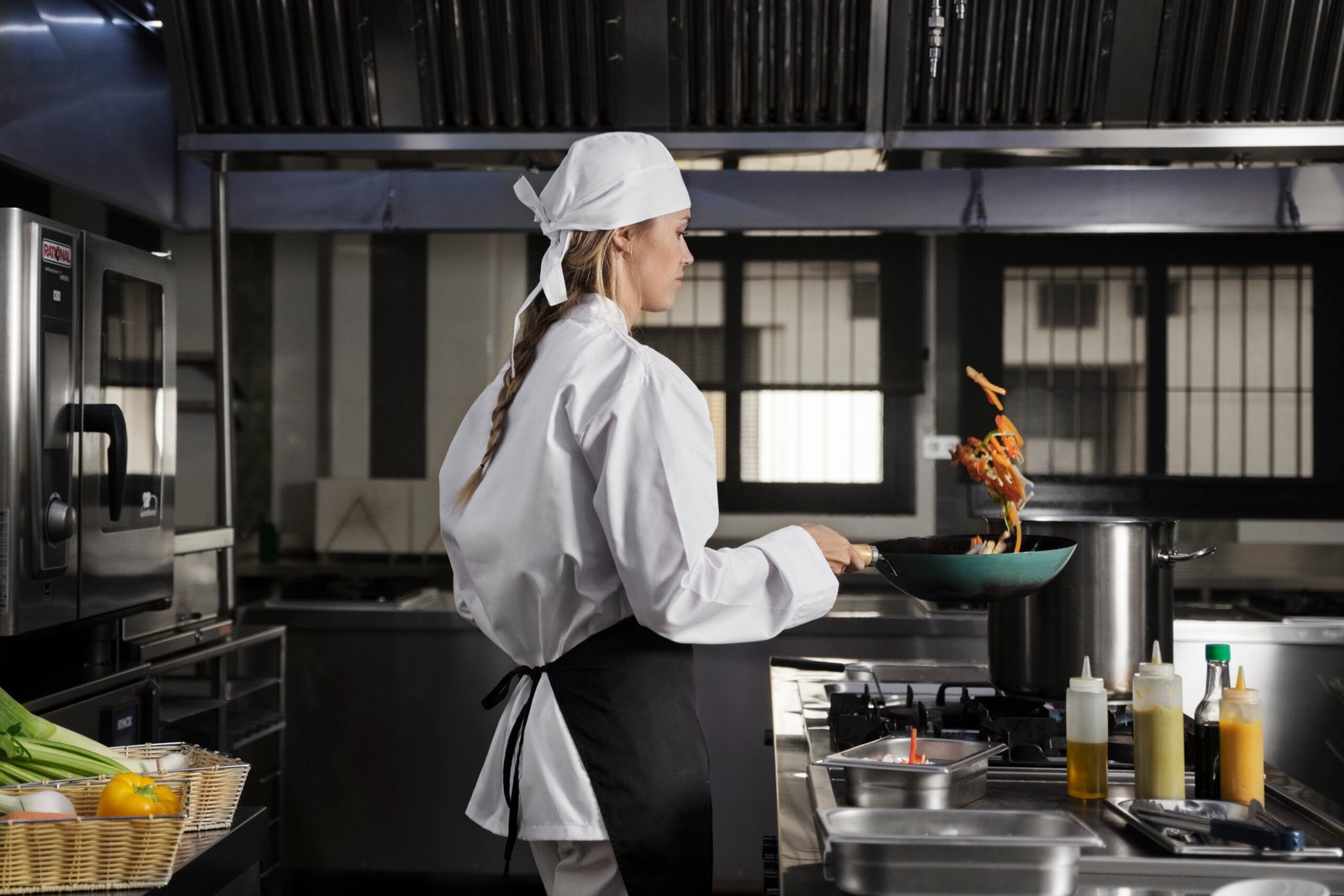
High-volume commercial kitchens are fast-paced environments where speed and efficiency are vital. However, the rush of a peak dinner service increases the risk of workplace accidents. Kitchen staff work constantly with heavy-duty appliances, sharp blades, and extreme heat sources. Therefore, restaurant owners must prioritize strict commercial kitchen equipment safety standards for every piece of machinery. Investing in certified appliances from reputable suppliers like Petra Equipment ensures that your team works with tools designed to minimize operational hazards. From general kitchen equipment to spesific bar tools, Petra Equipment ensures your hospitality business is equipped with top-tier, compliant machinery built for high-volume demands.
When a kitchen operates at maximum capacity, standard domestic appliances will fail. This failure creates severe safety risks for your staff. Commercial-grade equipment must meet specific engineering standards to protect workers from burns, cuts, and electrical shocks.
Read more: Frank Calabria: Navigating Origin Energy Towards a Sustainable Future
Key Features of Commercial Kitchen Equipment Safety
In a busy kitchen, workers do not have time to struggle with tricky or poorly designed machinery. Therefore, safety must be integrated directly into the design of the equipment.
- Automatic Shut-Off Sensors: Modern food processors and slicers must feature interlock switches. These sensors instantly stop the blades if a staff member opens the lid or removes the guard.
- Ergonomic and Cool-Touch Handles: Heavy pots and oven doors require specialized insulation. Cool-touch materials prevent severe contact burns during rapid service transitions.
- Flame Failure Devices: For gas-powered cooking equipment, a specialized safety valve is critical. It automatically cuts off the gas supply if the flame accidentally blows out, which prevents dangerous gas build-ups.
Commercial Appliance Safety Standard Comparison
The table below highlights the essential safety certifications and structural designs required for major kitchen equipment categories.
| Equipment Type | Primary Safety Hazard | Essential Safety Standard / Feature |
| Refrigeration Units | Foodborne bacteria and slips | Digital temperature alarms and self-closing doors |
| Cooking Equipment | Severe burns and gas leaks | Flame failure devices and heavy-duty insulation |
| Food Prep Machinery | Deep cuts and amputations | Mechanical safety guards and dual-switch activation |
| Dishwashers | Chemical exposure and scalds | Automatic steam release and secure door locks |
Read more: Pietro Beccari: The Visionary Behind Louis Vuitton’s Modern Renaissance
The Importance of Equipment Material and Construction
The physical build of your kitchen machinery directly impacts staff well-being. Busy kitchens create high humidity and intense heat. This environment can quickly degrade inferior materials and compromise commercial kitchen equipment safety.
For this reason, commercial appliances should feature high-grade stainless steel. This material resists rust and stands up to harsh chemical cleaners without degrading. Furthermore, well-constructed equipment should have rounded edges rather than sharp corners. This simple design choice prevents painful bruises and cuts when employees move quickly through narrow kitchen aisles.
Managing Risks Through Commercial Kitchen Equipment Safety
Even the safest equipment can become hazardous without proper care. Busy kitchens experience rapid wear and tear. This continuous use can lead to frayed wires, loose guards, or malfunctioning thermostats.
Consequently, managers should enforce a daily inspection checklist before opening the kitchen. Staff must report any faulty switches or unusual noises immediately. Furthermore, professional technicians should calibrate heavy cooking appliances quarterly. Regular maintenance guarantees that all internal safety mechanisms function correctly and preserves overall commercial kitchen equipment safety.
Read more: David Solomon: The Multifaceted Leader Steering Goldman Sachs into the Future
Frequently Asked Questions (FAQ)
Most injuries occur due to missing safety guards on food preparation machinery or inadequate training on high-heat cooking equipment.
Kitchen staff should perform visual inspections daily. However, certified technicians should conduct comprehensive safety audits at least twice a year.
Domestic appliances lack the heavy-duty components and advanced safety overrides required to handle continuous, high-volume use safely.