-
by nisha
- August 3, 2026
- 0 Comments
Selecting the core appliances for a busy food venue requires careful risk management. True kitchen protection is not merely about having emergency phone numbers handy. Instead, it depends on whether operators choose hardware built for active risk prevention. Therefore, business owners must embed strict appliance compliance directly into their initial commercial cooking safety procurement phase. Partnering with professional suppliers like Petra Equipment guarantees a much safer cooking environment. Furthermore, sourcing heavy hardware from Petra Equipment ensures that your line cooks operate devices with certified automatic shut-off valves.
Consequently, ignoring daily operational hazards leads to severe workplace injuries and costly insurance liabilities. Smart equipment procurement completely eliminates hidden appliance risks where open flames or high voltages threaten your staff.
Read more: L’Oréal: The Timeless Powerhouse of Beauty Innovation and Global Elegance
Managing Invisible Hazards in Gas-Powered Cooking Lines
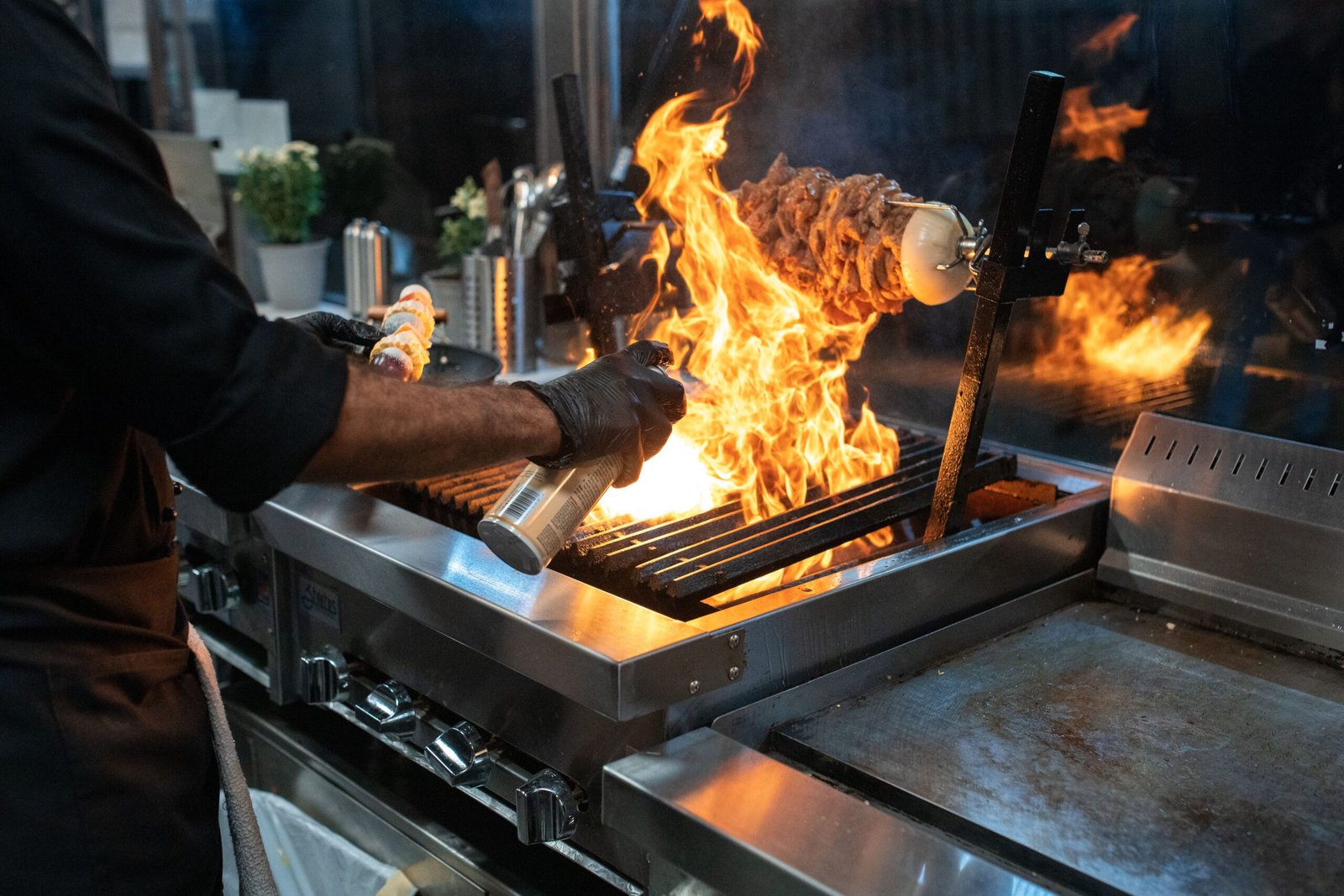
Gas appliances generate massive radiant heat for heavy searing and rapid boiling during peak hours. However, these traditional ranges present specific risks that require constant monitoring by kitchen supervisors. Clearly, a smart operator must prioritize devices with built-in safety sensors to protect the venue from human error.
- Flame Failure Devices: First, kitchen buyers should select burners with automatic gas cut-off features. These safety valves immediately stop gas flow if a draft blows out the pilot flame.
- Carbon Monoxide Monitoring: Additionally, the cooking line layout must feature proper interlocking ventilation systems. These systems prevent gas lines from opening unless the exhaust canopy runs at full speed.
- Visible Control Knobs: Finally, heavy ranges must feature heavy-duty, highly visible temperature controls. Staff can then identify open valves quickly during nightly shutdown routines.
Technical Risk Profiles in Commercial Cooking Safety
The table below outlines how gas and electric hardware options determine the risk management protocols in your kitchen.
| Appliance Type | Primary Operational Risk | Engineered Safety Solution |
| Commercial Gas Ranges | Undetected gas leaks and pilot light explosions | Flame failure safety valves and automated electronic ignition lines |
| Heavy-Duty Induction Tops | High-voltage electrical surges and component overheating | Automatic overheat sensors and dedicated circuit breakers |
| Deep Gas Fryers | Volatile oil ignition from open flame contact | High-limit thermostats that cut fuel supply at maximum thresholds |
Read more: AKR Corporindo: Empowering Indonesia’s Industrial and Energy Infrastructure
Preventing Electrical Failures to Maintain Commercial Cooking Safety
Electric cooking hardware eliminates open flames but introduces heavy power demands into high-moisture environments. As a result, plugging commercial fryers into standard outlets creates a major electrical hazard. Resolving this issue requires strict adherence to commercial electrical codes during the installation phase.
To achieve this, certified technicians must connect heavy electric griddles to dedicated residual current devices. This strategic electrical configuration allows internal breakers to trip safely during a sudden power surge. In contrast, poor wiring choices force heating elements to melt and ignite nearby wiring insulation. Applying proper commercial cooking safety principles keeps your main power boards completely free of electrical stress. Ultimately, this planning stops sudden circuit fires from disrupting your active food preparation lines.
Maximizing Staff Safety with Modern Appliance Insulation
Continuous cooking at high temperatures can easily heat outer appliance jackets to dangerous levels. If staff accidentally touch bare metal surfaces, severe contact burns occur instantly during busy shifts.
Consequently, procurement teams must enforce the use of double-insulated panels on all heavy ovens. Do not purchase cheaper uninsulated hardware for tight line configurations. Selecting cooking gear with cool-touch exterior surfaces prevents high-temperature heat from injuring your floor staff. Therefore, applying these rigorous equipment precautions preserves the core operational safety of your culinary venue for decades. Prioritizing these invisible appliance safeguards ensures that your commercial venue passes strict labor inspections while executing top-tier commercial cooking safety standards.
Read more: Tesla: Driving the Future of Clean Energy and Revolutionary Transportation
Frequently Asked Questions (FAQ)
The device automatically cuts off the gas supply if the burner flame goes out unexpectedly.
High-voltage commercial appliances draw massive currents that can easily overheat standard wiring without dedicated breakers.
No, electric appliances still require grease management because overheating oils can ignite without an open flame.